Unsettled
Accounts
About
“Unsettled Accounts” is an oral history project that seeks to advance understanding of Black land ownership and unjust takings in recent Boston history.
From the late 1950s, American cities commonly established quasi-public urban redevelopment authorities with access to federal funding and the power of eminent domain to purchase, demolish, and redevelop areas deemed “substandard” or “blighted” in the name of the “public good”—typically in the form of urban renewal or highway projects.
This project interrogates conflicting urban policy and program goals, planning and implementation processes, and results from the perspectives of disproportionately-impacted groups, specifically African American families in Boston. Many arrived and settled in Boston, became homeowners and business operators, and then were systematically dispossessed and displaced—within a single lifetime. Besides eminent domain takings related to urban renewal and highway projects, people lost their properties due to questionable tax liens, utility bills, refinancing practices, and court proceedings.
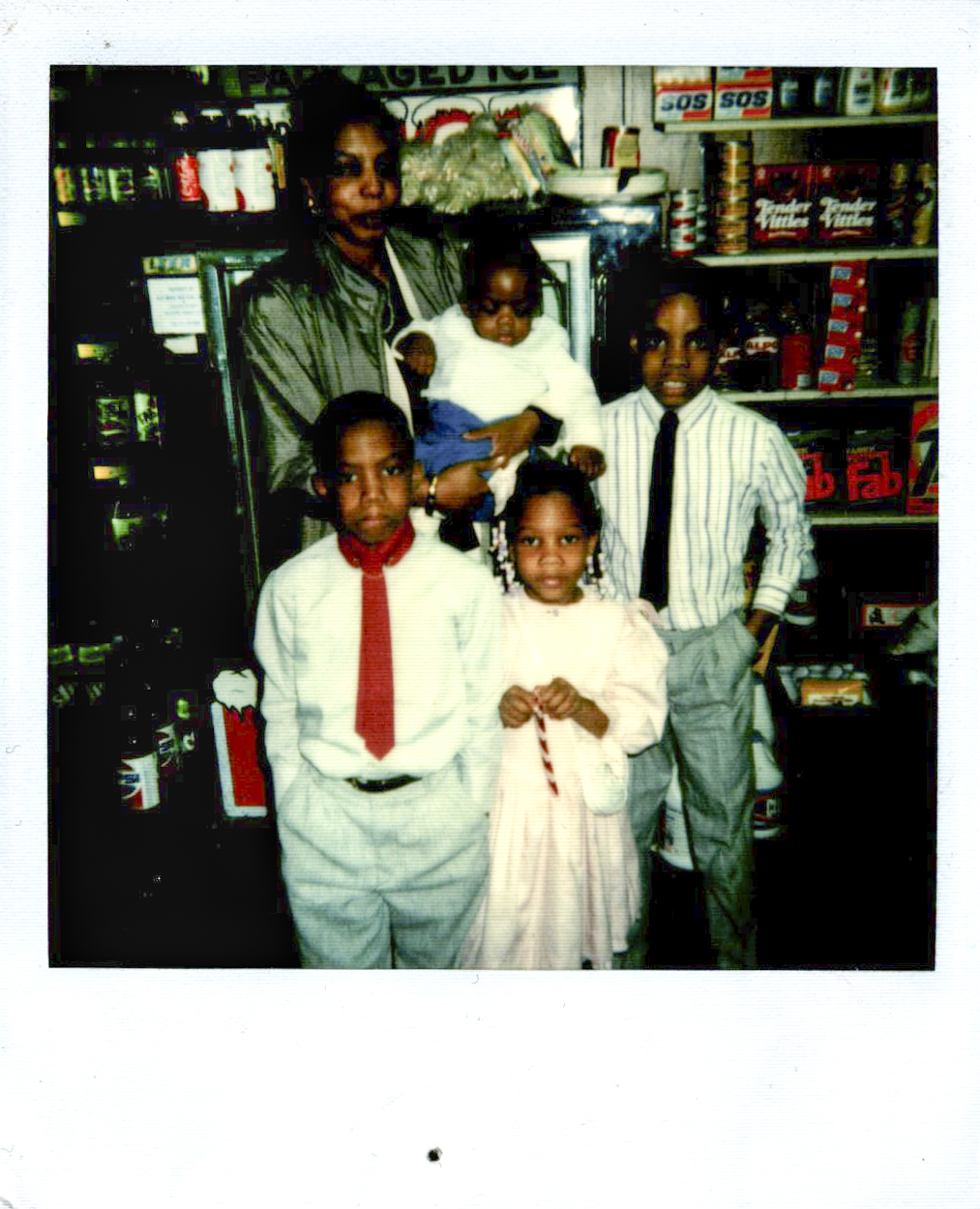
Courtesy of Aziza Robinson-Goodnight.
Photo credit: Olivia Robinson.
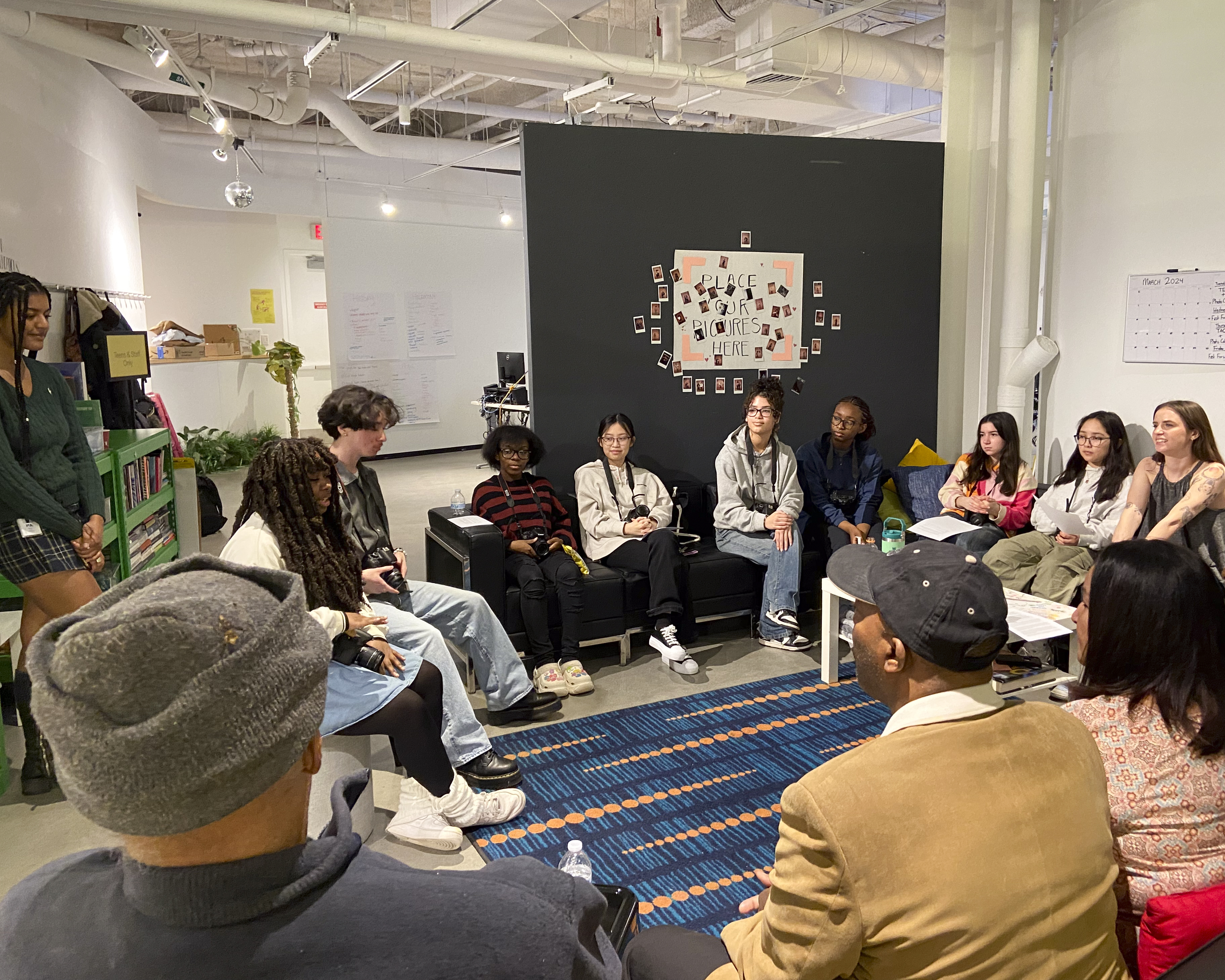
Photo credit: Lily Song.
Why are we collecting these stories?
In addition to preserving oral histories that help fill knowledge and information gaps, the project is creating a digital archive with public access, co-hosting public events with community-based partners, and engaging Bostonians of all ages to impact policy conversations and initiatives for reparative justice at local, state, and national levels.
Project Team
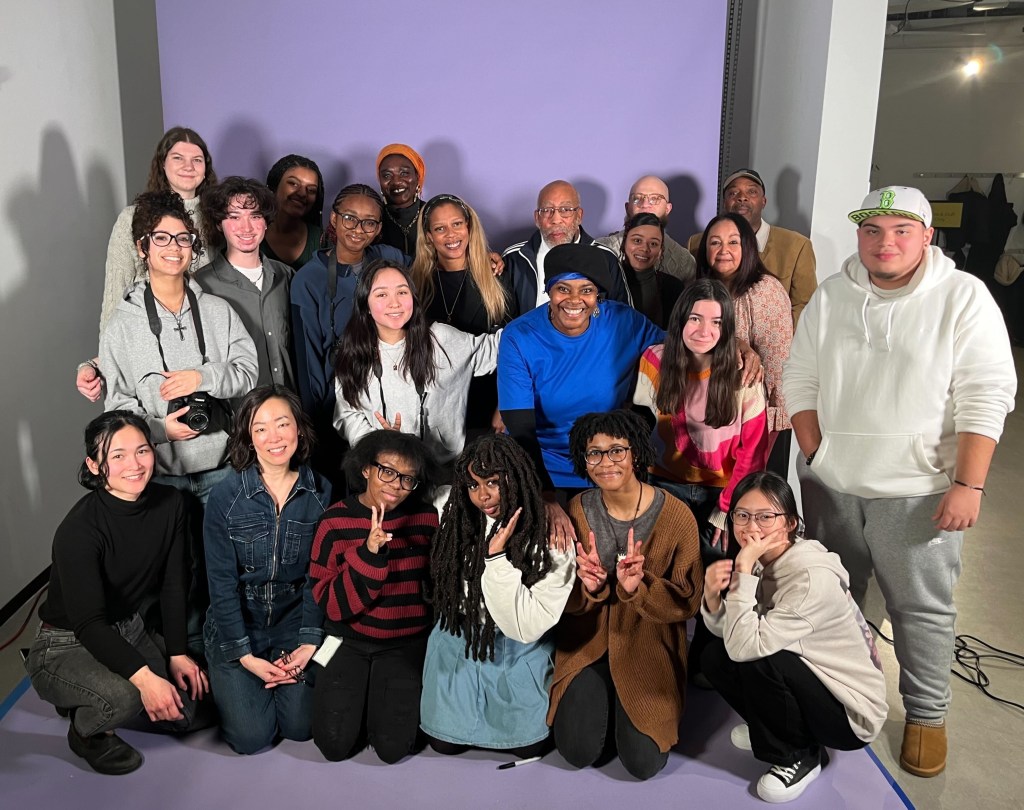
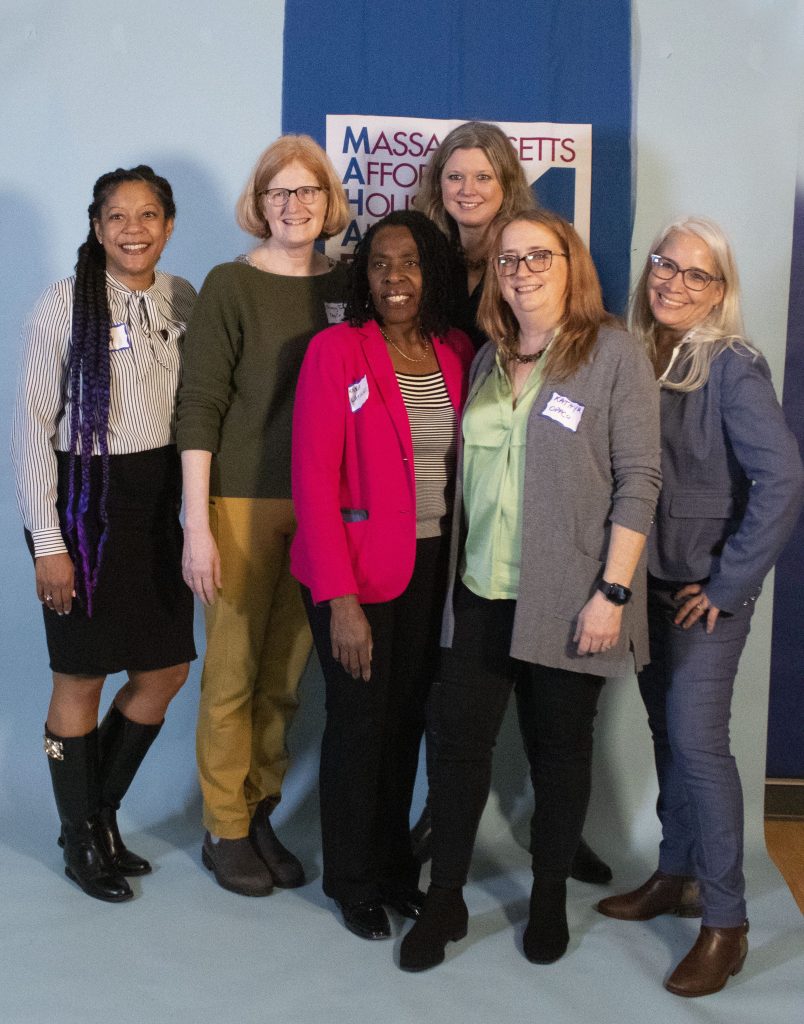
“Unsettled Accounts” is a community-university partnership co-led by Roxbury activist Dianne Wilkerson and Northeastern professor Lily Song, and supported by the Reckonings Project. It emerged from Wilkerson’s Contemporations organizing and advocacy, which drew community members to share relevant experiences and memories. As the accounts grew, Song and her research assistants Aakilah Rashid, Maria Salim, and Ethan Matthews were invited to gather and archive the oral histories. Working with Dzidzor Azaglo, Jeta Perjuci, and Gregory Lord from the Reckonings Project at Northeastern, they developed a digital archive, interactive workshops, and public events with community-based partners in order to give the stories back to most-impacted communities.
 Unsettled Accounts